






Arthritis, chronic joint pain, and sports injuries affect millions of people worldwide, limiting mobility and reducing quality of life. Conventional treatments like painkillers, steroid injections, or joint replacement surgery often provide only temporary relief — or come with long-term risks. But a revolutionary approach, regenerative medicine in orthopaedics, is giving patients new hope. Instead of simply replacing damaged joints with artificial implants, regenerative therapies aim to use the body’s natural healing mechanisms to repair and restore bone, cartilage, ligaments, and tendons. At AJRC Patna, Dr. Ashish Singh specializes in orthopaedic care, focusing on innovative and patient-centered approaches to joint health, mobility, and pain management. Patients interested in regenerative therapies, non-surgical solutions for knee pain, or advanced orthopaedic care can consult with Dr. Singh to explore the most suitable options.
What is Regenerative Medicine in Orthopaedics?
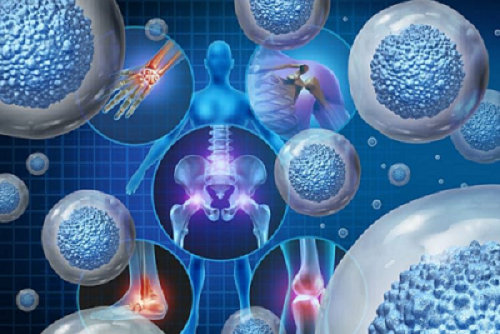
Regenerative medicine is an advanced field of orthopaedics that uses biological therapies such as stem cells, platelet-rich plasma (PRP), and growth factors to restore damaged tissues.
Unlike traditional surgery, these treatments are:
- Minimally invasive
- Focused on natural healing
- Designed to speed up recovery
- Capable of delaying or avoiding joint replacement
Leading Regenerative Treatments for Arthritis & Joint Pain
Stem Cell Therapy for Arthritis
Stem cells are often called “master cells” because they can transform into bone, cartilage, or tendon tissue. In this treatment, stem cells are collected from bone marrow or fat and then injected into the affected joints. This therapy works by reducing inflammation, repairing damaged cartilage, and improving joint movement. It is particularly effective in managing knee arthritis, hip arthritis, and even slow-healing fractures.
PRP (Platelet-Rich Plasma) Therapy
PRP is one of the most popular non-surgical treatments available in India today. It is derived from the patient’s own blood and contains a rich concentration of growth factors that accelerate natural healing. PRP therapy has been widely used in conditions such as knee osteoarthritis, ACL and ligament injuries, tennis elbow, rotator cuff tears, and even for recovery after surgery. Clinical research strongly supports its effectiveness, with patients experiencing reduced pain and improved joint function after undergoing PRP injections.
Cartilage Regeneration
For patients dealing with cartilage loss, advanced therapies like Autologous Chondrocyte Implantation (ACI) are proving to be a breakthrough. In this technique, cartilage cells are regrown and then implanted back into the affected area. Newer approaches even combine PRP, stem cells, and scaffolds to enhance cartilage restoration. These treatments are particularly beneficial for young athletes and patients recovering from sports-related injuries.
Bone Healing & Non-Union Fractures
Difficult fractures and non-union cases that fail to heal naturally can now be treated with modern regenerative options. Bone Morphogenetic Proteins (BMPs) and synthetic grafts help stimulate bone growth and accelerate healing. In addition, 3D-printed bone scaffolds are offering personalised solutions for complex cases where traditional treatments have not worked effectively.
Spine & Joint Preservation Therapies
Regenerative medicine is also making strides in preserving the spine and joints before surgical intervention becomes necessary. Both PRP and stem cell therapies are being tested for conditions like slipped discs and early-stage osteoarthritis. These approaches show great promise in delaying or even preventing the need for joint replacement surgeries.
Why More Patients Are Choosing Regenerative Medicine
- Minimally invasive regenerative treatments
- Natural healing using your own stem cells and platelet-rich plasma (PRP)
- Faster recovery with less downtime through advanced regenerative therapies
- Potential to delay or avoid major surgery like knee replacement, hip replacement, or spine surgery
- Safe, effective, and backed by orthopedic regenerative medicine experts
Things to Keep in Mind about Regenerative Medicine
- Not everyone is a candidate — proper orthopedic diagnosis and evaluation are essential to determine if regenerative medicine (like PRP therapy, stem cell treatment, or other biologic therapies ) is right for you.
- Results may vary depending on the stage of arthritis, joint damage, or sports injury being treated.
- Some regenerative therapies can be costly and are still evolving with ongoing clinical research — consult with a trusted orthopedic specialist to understand realistic outcomes.
Conclusion
Regenerative medicine is opening a new chapter in orthopaedic care by offering natural,
minimally invasive, and effective alternatives to conventional surgery. Treatments like PRP,
stem cell therapy, and cartilage regeneration are helping patients manage arthritis,
joint pain, and sports injuries with faster recovery and better long-term outcomes.
At AJRC Patna, Dr. Ashish Singh, a
leading orthopedic surgeon in India, emphasizes the importance of proper evaluation,
realistic expectations, and evidence-based care when choosing regenerative options.
Contact Dr. Ashish Singh today and discover how regenerative medicine can help you avoid surgery, recover faster, and restore mobility naturally.

Frequently Ask Question?
Yes. PRP therapy for arthritis and joint pain is considered very safe because it uses your own blood platelets to promote natural healing. Since no foreign substances are introduced, the risks are minimal and side effects are usually limited to mild soreness or swelling at the injection site.
Most patients begin to notice improvement within a few weeks after PRP or stem cell therapy. Pain relief and better joint mobility typically develop gradually, with maximum results appearing over a few months as the body continues to repair tissues naturally.
Regenerative medicine treatments for arthritisincluding PRP injections and stem cell therapy cannot completely cure arthritis, but they can significantly reduce pain, improve joint function, and slow disease progression. These therapies are most effective in early to moderate stages of arthritis, while advanced cases may still require joint replacement surgery.
Yes. Patients seeking PRP therapy in Patna or stem cell treatment for arthritis in India can access these advanced, non-surgical regenerative options at our centre under the care of Dr. Ashish Singh. Many patients from Bihar and nearby regions are already benefiting from these innovative therapies.

